
Search the Paramount Residents Directory
Paramount has no single official resident roll. The useful trail is layered. A known address belongs first in the Los Angeles County Assessor Portal, where a parcel and its ten-digit AIN can be identified. A known name may fit a Superior Court party search, a state business filing, or a professional-license record. A past household often requires a printed directory, a census schedule, a newspaper, or a deed chain. Each source captures a different relationship to a place, so a strong Paramount residents directory search starts with the fact least likely to be wrong.
Property data can point to an assessed parcel, but it does not prove who sleeps there. A voter status tool confirms a registered voter’s own record, not every person at an address. A deed proves a conveyance, not occupancy. A city permit names an applicant or contractor, not necessarily a resident. Historical directories can show a householder, spouse, occupation, and address, but a name can vanish when a family moves, a street is renamed, or a publication changes its coverage.
- Start with the narrowest known fact: an address, full name, court case, business, or historic street name.
- Use the official custodian that owns that record, then save the parcel number, case number, date, or document number.
- Check a second source that shares a stable clue, such as an AIN, middle initial, legal description, spouse, or business.
- Use directories, newspapers, census schedules, and obituaries to fill historical gaps rather than treating an online absence as proof.
- Ask the custodian for a copy or correction when the record itself matters, especially when an index only supplies a lead.
Paramount Resident Records: Who Keeps What
The records map runs across Paramount, Los Angeles County, and California. The Los Angeles County Registrar-Recorder/County Clerk keeps recorded instruments and vital, marriage, and fictitious-business-name records. The Assessor creates the assessment roll and parcel data. The county elections office controls voter-file access. Los Angeles Superior Court keeps trial cases, including probate. Paramount City Hall holds municipal minutes, permits, planning files, code cases, licenses, and public-request responses.
A custodian matters because a request sent to the wrong office will not become a resident list. Paramount’s public-records policy redirects real estate, births, deaths, marriages, UCC filings, fictitious names, election records, divorces, blueprints, and transcripts to outside offices. The city portal is for identifiable municipal records, not research that asks staff to build a list from scattered files.
Los Angeles County RR/CC
12400 Imperial Highway
Norwalk, CA 90650
(800) 201-8999
Los Angeles County Assessor
Address or ten-digit AIN search
Parcel facts and event history
Owner data at district counter
LA County Elections
12400 Imperial Highway, Room 2013
Norwalk, CA 90650
(800) 815-2666 option 4
The city’s public-records policy and request route are useful when a Paramount permit, agenda, code case, or municipal application is the known target.
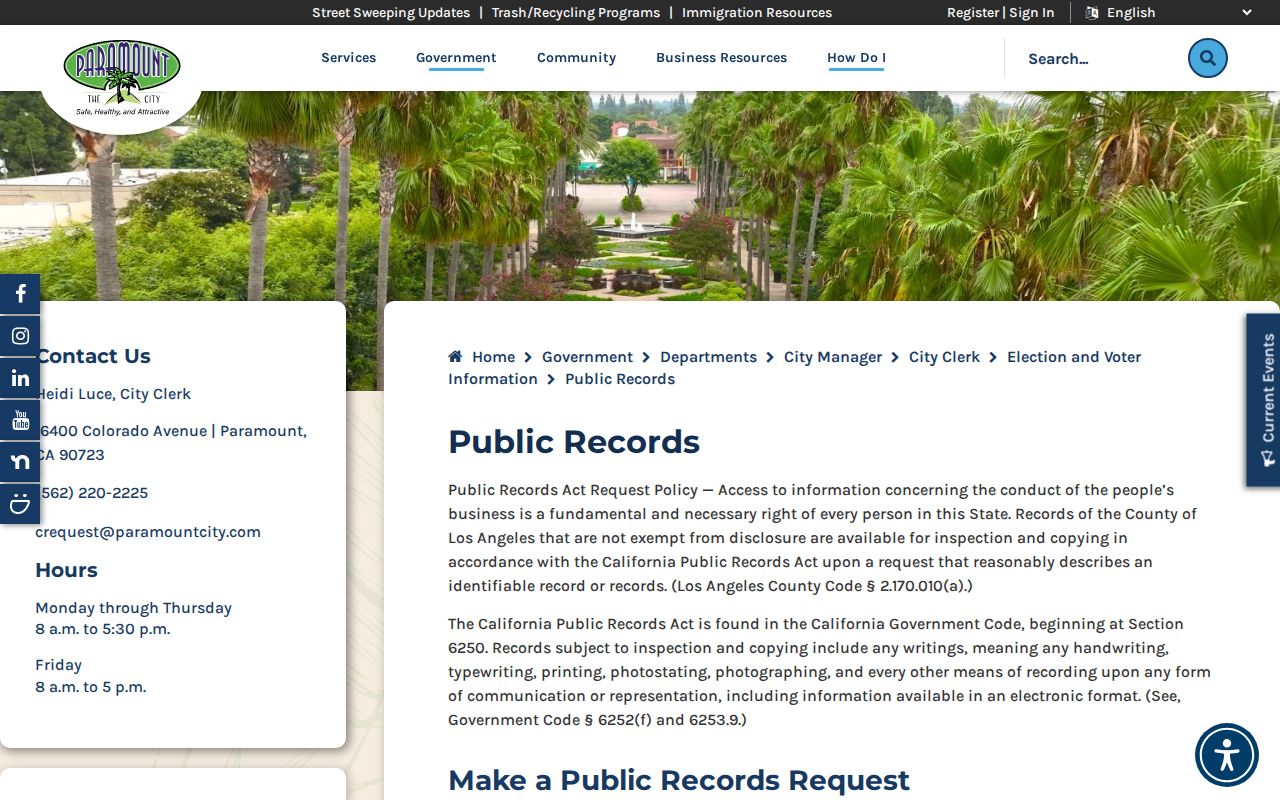
The city request page reinforces the custody split: it is a route to city-held files, while county and state offices remain responsible for their own records.
From a Paramount Address to an AIN
The quickest property starting point is the Los Angeles County Assessor Portal. Search by street address, choose the matching parcel, and copy the AIN, situs address, legal-description summary, building facts, parcel-change history, and any recording references. The portal is parcel-keyed rather than a general owner-name search. A map selection can reveal neighboring parcel numbers, but it does not turn the map into a block-wide resident directory. For the full address chain, use the Paramount street directory walkthrough.
The search fields are simple, yet the output needs care. “Situs” means the physical parcel. A mailing address is the destination for assessment correspondence and may belong to a business, manager, trust, or post-office box. The AIN is the continuity key when a street name changes or an old address is no longer used. The public result does not show the owner name or assessment mailing address online; the Assessor counter or Property Data Sales is the documented next step.
| Search by AIN | Ten-digit Assessor Identification Number; one search mode. |
|---|---|
| Search by address | Street number and name with city or ZIP, followed by parcel selection. |
| Map or parcel selection | Optional spatial route that can expose neighboring polygons and AINs. |
| Parcel result | Situs, use, legal description, values, building facts, and event references. |
The Assessor Portal is the right companion when a result needs to be understood before the deed trail begins.
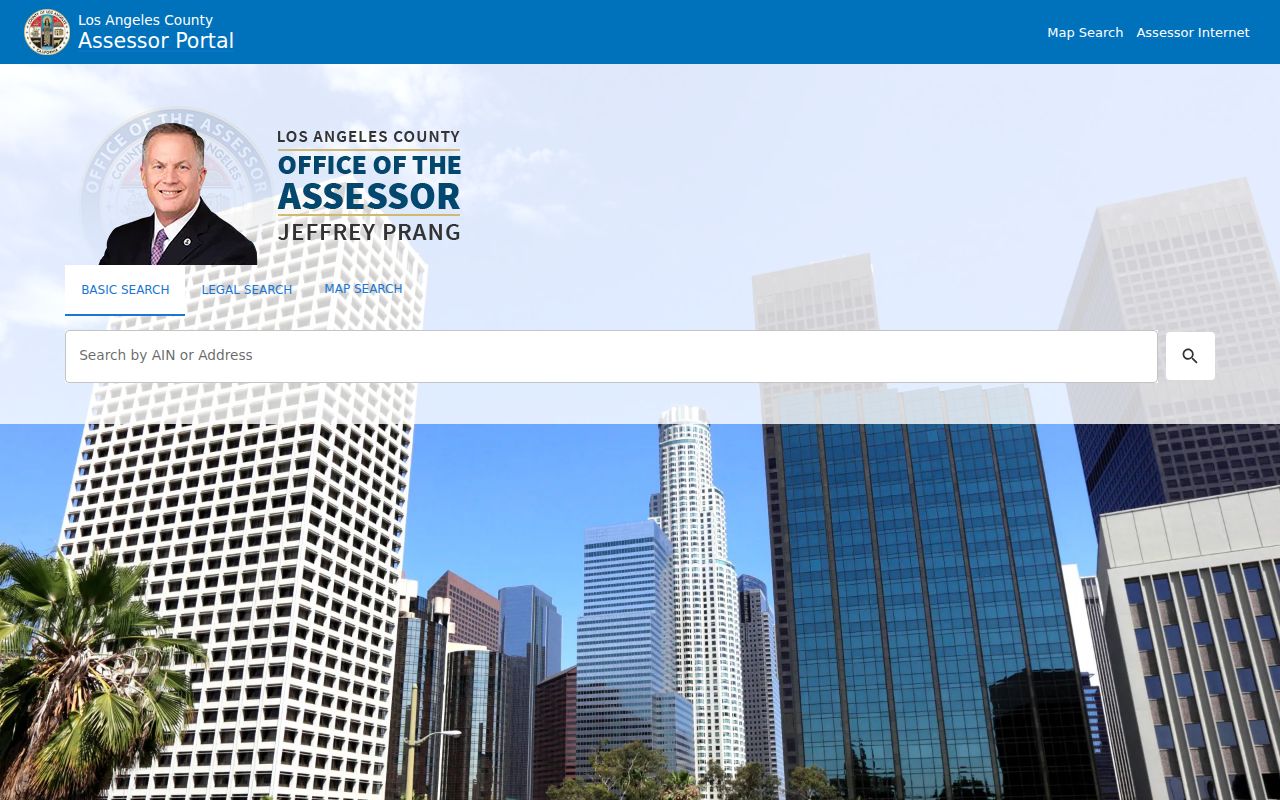
This parcel view starts the record chain, but it does not establish a current occupant or reveal every household member.
Why Paramount Owner Names Stay Offline
Los Angeles County’s online property trail is intentionally limited. The public Assessor result supplies parcel facts, but owner identity and the assessment mailing address are omitted online. The county directs a researcher to a district office for free owner information or to Property Data Sales. That quirk is easy to miss because the parcel card can look complete while leaving the person field blank.
A record label also carries a limit. A deed identifies a grantor and grantee, meaning the seller and buyer in a conveyance. A parcel identifies land. An index is a finding aid, while an image is the underlying instrument. None of those terms equals occupancy. Read a mailing address as correspondence evidence, not as proof that the owner occupies the situs.
- Roll
- The Assessor’s parcel-based list of property and assessment facts.
- Index
- A name or number list that points to a record, without replacing the record image.
- Parcel
- A mapped unit of land identified by an AIN and legal description.
- Criss-cross directory
- A historical directory arranged by street and number, useful for past occupants rather than current proof.
Current Paramount Resident Directory Sources
Current resident clues are distributed across records that were created for other purposes. The Assessor answers a parcel question. The recorder answers a transaction question. The voter service answers a registered voter’s own status or a controlled request. A court index answers a case-party question. City files answer a municipal project question. Calling all of them a “directory” is convenient, but the access rules and meaning differ.
| Source | What It Can Add | Keeper | Access Boundary |
|---|---|---|---|
| Assessor parcel result | AIN, situs, building and event facts | LA County Assessor | Free web view; owner data offline |
| Recorded-document index | Grantor, grantee, document type and date | LA County RR/CC | Manual name/year index at Norwalk |
| Registration Status | One voter’s status, address, districts | LA County Elections | Identity-gated self-service |
| Superior Court case search | Party role, case timeline and public filings | Los Angeles Superior Court | Name search and documents may cost |
| Municipal permit or agenda file | Applicant, project address, work and dates | City of Paramount | Posted records, counter, or CPRA request |
Official records and commercial profiles serve different purposes. The official route is slower when a counter, fee, or eligibility rule applies, but it identifies the custodian and the record type. A commercial profile may be faster to scan, yet the research warns that compiled data can be stale or merge people; it is not authoritative.
| Route | Useful for | Limit |
|---|---|---|
| Official county, city, court, or state record | Traceable source and defined fields | Access rules, gaps, fees, or counter steps |
| Commercial compiled profile | Finding a possible lead to verify | Stale data, merged identities, and unclear provenance |
When the goal shifts from a citywide record map to one person, a resident lookup sequence keeps these distinctions visible. A source can corroborate a name without proving a home address, and an address can connect parcels without proving a household.
Paramount’s Records Request Center
Paramount’s Public Records Request Center began June 1, 2023. It lets a requester submit a focused description, track the request, communicate with the city, and download released files. A useful request names the department, address or project, record type, people or business names, and a date range. The California Public Records Act, now Gov. Code §§ 7920.000 et seq., does not require a city to create a new list or answer a question by researching unrelated files.
The city’s route is strongest for identifiable municipal material: minutes, ordinances, contracts, agendas, board and commission appointments, campaign disclosures, Form 700 statements, permits, planning applications, and code-enforcement records where disclosure is allowed. Active investigations, private details, and protected information may be withheld or redacted. Birth, death, marriage, real-estate, UCC, fictitious-business-name, election, divorce, blueprint, and school-transcript requests belong with their actual custodians.
- Describe the city department and record category, then give the address, project number, subject, or date range.
- Ask for existing records and a digital delivery route instead of asking staff to compile a resident list.
- Track clarification messages and note any exemption or redaction in the response.
- Route a county or state record to the county or state custodian rather than filing a duplicate city request.
Paramount Resident Names in Court
The Los Angeles Superior Court public-access portal separates civil, small claims, family, probate, and criminal services. Its landing choices include a case-by-name search, a criminal defendant-name search, and document images. A name search costs $4.75 in the research record. Results remain available for 24 hours, while purchased documents remain available for 30 days. Courthouse terminals and the court archives are fallback routes for older or difficult files.
A docket is the court’s running case history. A result may show a case number, caption, filing date, case type, parties and roles, attorneys, status, register-of-actions dates, hearings, disposition, and document links. It may not show a full birth date, address, confidential family detail, sealed filing, or protected exhibit. Same-name collisions are common, so keep the courthouse, party role, filing date, middle initial, related business, or property clue with every hit.
- Case number
- Best exact route when known; format varies by case type.
- Last or business name
- Name-mode search for a party or organization.
- First name
- Optional narrowing field for common names.
- Filing-date range
- Useful when a name returns many parties.
- Case type or location
- Separates civil, family, probate, and criminal systems where offered.
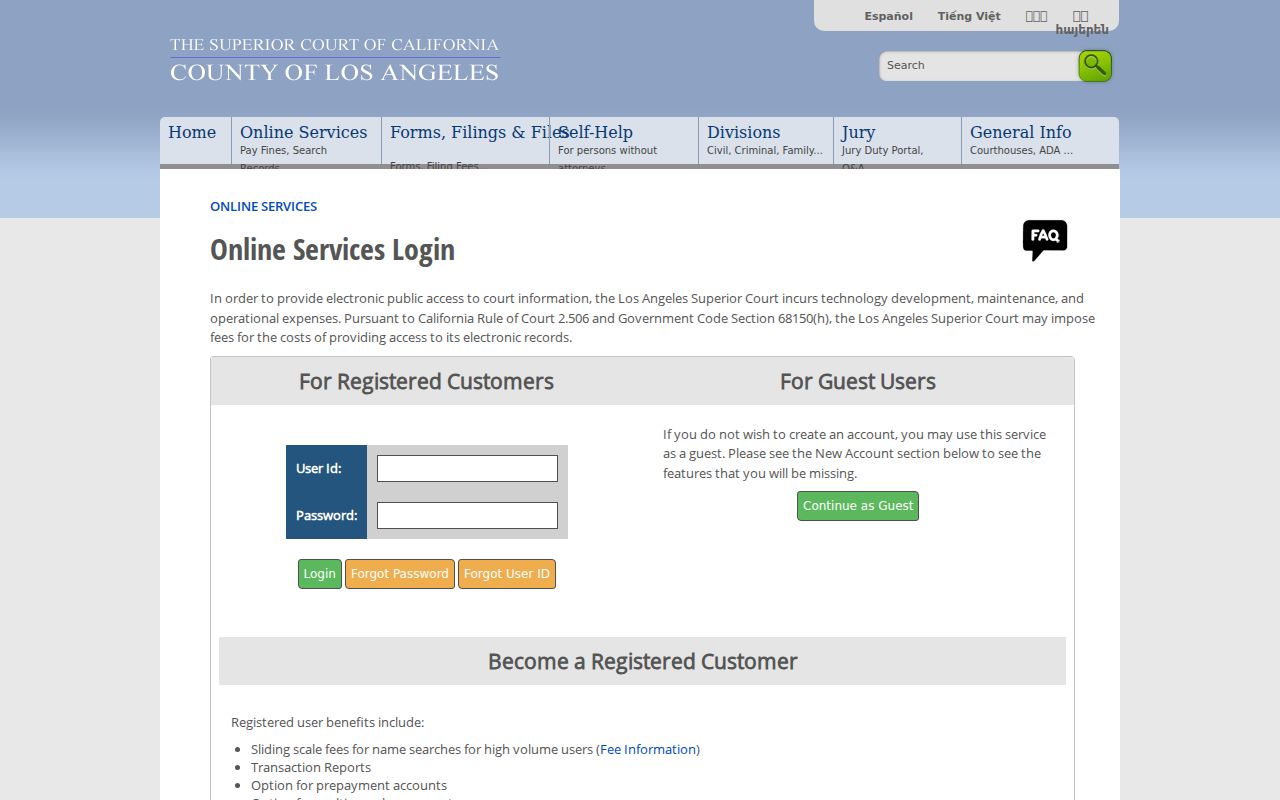
The court landing page is a source map, not a promise that every document or old case is online.
Checking a Paramount Voter Status
Los Angeles County Registration Status is authenticated self-service. It asks for identifying information and returns the requesting voter’s status, registered address, party preference, districts, and election information. It cannot browse a street or disclose a block of names. That makes it useful for a person checking their own record, but not a general public directory.
Controlled county searches are different. The research record lists a $5 voter-file name search, $6.75 for voter history, and certified-copy routes with requester-specific fields, signature, payment, and mailing instructions. Elections Code §§ 2187 and 2194 limit release and use. Driver-signature, Social Security, and DMV license or ID numbers are not released, and Elections Code § 18109 penalizes knowing unauthorized acquisition or use.
- Self-check fields
- First and last name, date of birth, and identifying registration credentials as requested.
- Returned status
- Registration status, address, party, districts, and election or ballot information.
- Certified request
- Full name, date of birth, residence and mailing address, city, ZIP, telephone, and signature.
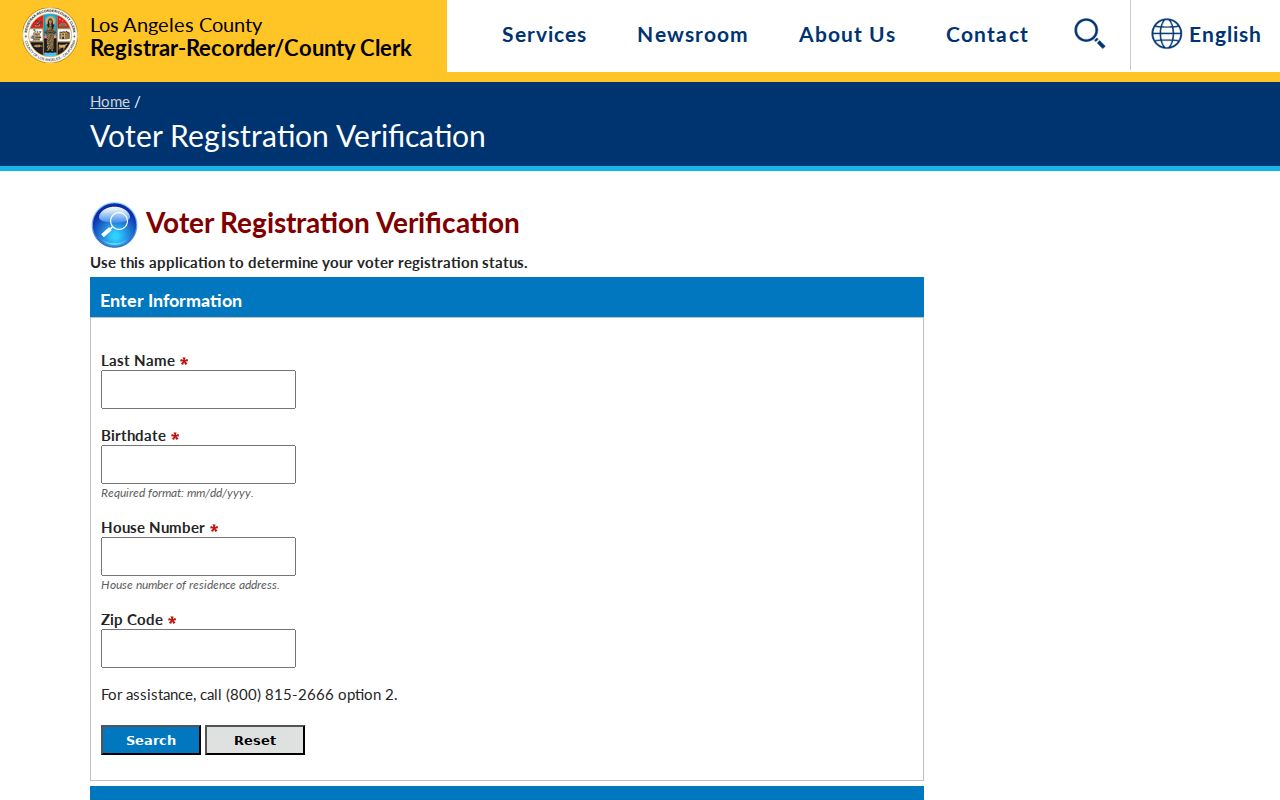
Voter data can corroborate a lawful identity check, but it is never a shortcut around California’s purpose and confidentiality rules.
California Vital Copies: Informational or Authorized
California does not use one blanket closure period for every vital record. Los Angeles County RR/CC usually handles Paramount events, while the California Department of Public Health Vital Records program supplies a statewide alternative. An informational certified copy is marked not valid to establish identity and is generally available for public births, deaths, and nonconfidential marriages. An authorized copy requires a statutory relationship or other qualifying category and a sworn statement.
Confidential marriage certificates are limited to a spouse or court order under Family Code §§ 509-511. Adoption records and original birth certificates are sealed unless a statutory or court process permits access. Divorce decrees come from Superior Court, while CDPH supplies only the verification product for the years it maintains. The live county and state forms control current fees and processing time.
- Birth
- RR/CC or CDPH. Informational copies are public; authorized copies are restricted. CDPH 2026 fee noted: $31.
- Death
- RR/CC or CDPH. Informational copies are public; authorized classes apply. CDPH 2026 fee noted: $26.
- Public marriage
- RR/CC or CDPH. Informational copies are available; authorized rules apply. CDPH 2026 fee noted: $19.
- Divorce
- Superior Court holds the decree; CDPH supplies a verification product for supported years. Verify the current fee.
Use county birth-record instructions, county death-record instructions, or the state vital-record program for the correct copy type.
Business and License Cross-Checks in Paramount
When a person is tied to a storefront, practice, trade name, or company, business and license records can add a stable affiliation clue. California Secretary of State bizfile Online accepts a business name or file number, requires at least three characters for a name, and offers advanced filters for entity type, status, filing dates, starts-with logic, and public-company disclosures. Results can show the entity number, formation and status, jurisdiction, addresses, agent, and filing-history PDFs. A business address is an affiliation clue, not proof of a home address.
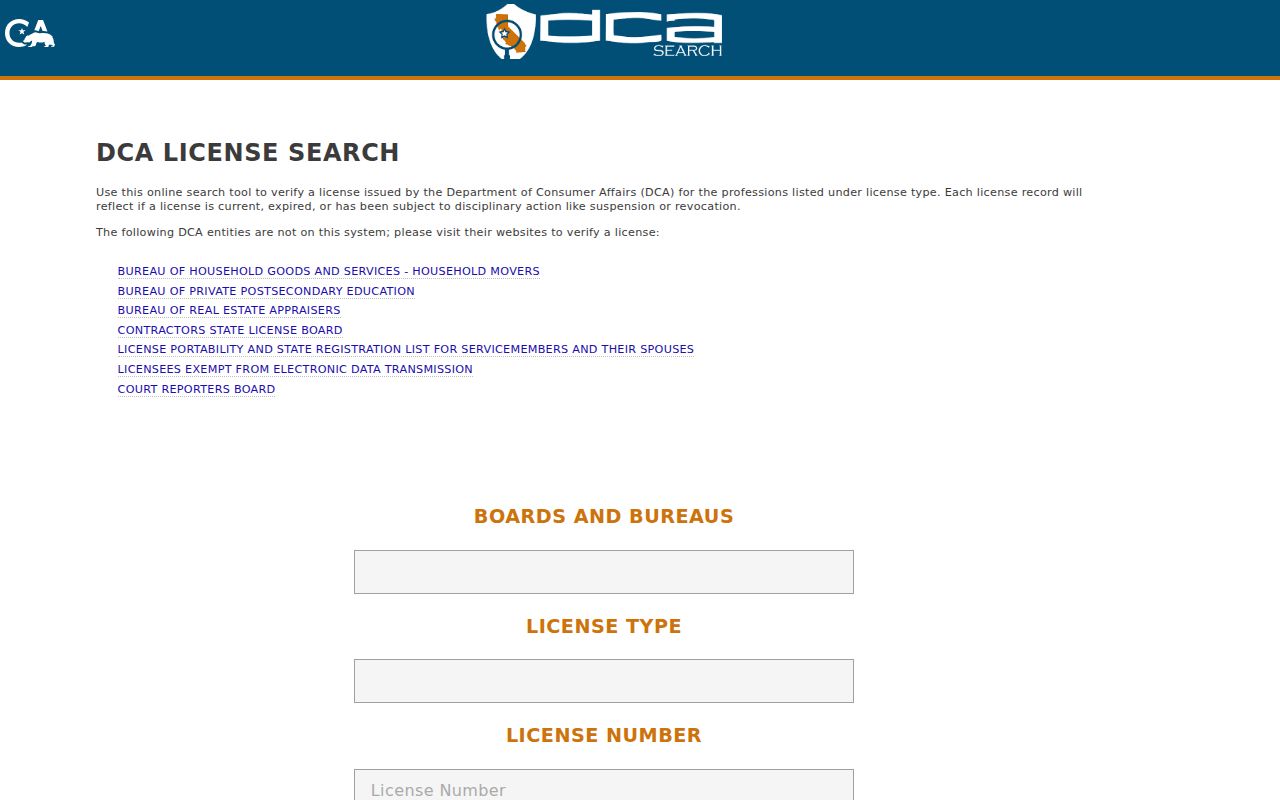
The California Department of Consumer Affairs search adds board, license type, license number, business name, first name, last name, registry number, city, county, status, discipline, and public-document filters. Los Angeles County FBN records add trade name, business address, registrant, and filing dates. Paramount’s business-license portal can show city licensing activity. Use a license number, entity number, or matching business address to avoid merging two people with similar names.
- SOS bizfile
- Entity name, status, agent, addresses, and filings. It shows business affiliation, not residence.
- DCA License Search
- Licensee, type, status, expiry, and discipline. Board display and update rules differ.
- RR/CC FBN
- Trade name, registrant, business address, and dates. A fictitious-name filing is not occupancy proof.
The DCA license search is useful when a professional identity needs a primary-source status check.
For a company trail, the California business search provides the state-level entity path.
These records help verify a role or affiliation while keeping the resident-directory question tied to evidence the source actually contains.
Clearwater and Hynes in Paramount Directories
Historical Paramount searching begins with names that predate the city. Clearwater and Hynes became Paramount in 1948, while incorporation followed on January 30, 1957. A census, newspaper, directory, map, or deed cataloged before 1948 may use Clearwater or Hynes rather than Paramount. Search nearby Compton, Long Beach, Bellflower, and Downey coverage when a local volume is organized by a broad telephone exchange or county label.
The branch history adds context. Paramount Library began as the Clearwater Branch in September 1913 with a 121-book reading room, moved more than once, took the Paramount name after the 1948 community change, and reached its current building in 1967. The Norwalk Californiana Collection supplies the regional shelf: census schedules from 1850-1910, the Los Angeles Star from 1851-1879, nineteenth-century city directories, newspapers, and city and county histories.
The Paramount Directory Bridge, 1956 to 1964
Three verified titles anchor the local city directory trail. The Paramount, Hollydale and Compton City Directory, 1956 from TLM Publishing Co. is an alphabetic volume that can connect a person or business to an address. The Paramount Blue Book, Criss Cross City Directory, 1960 and its 1964 edition from Luskey Brothers & Co. reverse the emphasis: an address can lead to a listed occupant. Exact shelf marks and the complete run still require library confirmation.
A city directory entry can supply a spouse, occupation, householder mark, residence address, and sometimes a telephone number or owner notation. A criss-cross section can show neighboring numbers. It remains a historical clue, not a current roll. The full collection map and reading method belong in the Paramount city directory archive, where the 1956 alphabetic and 1960/1964 street-order volumes can be kept distinct.
Paramount’s New Historical Context Trail
Paramount’s 2025-26 Historic Context Statement is more than a history essay. It is a research roadmap that names the city surveys, permits, maps, photographs, oral interviews, Paramount Historical Society material, Paramount Library sources, CSUDH collections, and the exact directory titles that support the narrative. The 2025 statement covered early inhabitants through 1980; the March 2026 update expanded the story through 1999 and added interviews and development analysis.
That source list helps explain why one record seldom answers the whole question. A permit dates a building change, a directory supplies an occupant or occupation, a map shows tract context, a photograph places a storefront, and a newspaper adds civic or family detail. The city’s Historic Context Statement page is the best official starting point, with any council-review timing verified against the live city calendar.
When a Paramount Online Search Ends
Online tools are often the first step, not the complete access channel. RR/CC’s deed index is manual at Norwalk. Assessor owner information is available through a counter route rather than the public web card. Older court files may need archive retrieval. Directory volumes and census schedules may sit in closed stacks. State Archives staff, library reference staff, and the local historical society can supply finding aids when a name or street has changed.
A focused fallback chain keeps the request lawful and efficient:
- Use the Assessor Portal for the parcel and AIN, then ask the Assessor counter for owner information when appropriate.
- Take a grantor or grantee name and year to RR/CC Norwalk instead of requesting an address search.
- Ask Paramount City Hall for an identifiable permit, agenda, planning, or code file under the CPRA.
- Ask Norwalk reference staff or State Archives research services for a directory, census, map, or local-history holding.
Keeping the custodian and record type in view prevents a plausible clue from becoming an unsupported claim about a Paramount resident.
Privacy, Safe at Home, and Paramount Records
California’s privacy rules shape the visible resident trail. Safe at Home gives eligible survivors and certain protected participants a substitute mailing address and mail-forwarding service. Voter information is purpose-limited. DMV personal data is not a public address directory. California’s CCPA rights apply to covered businesses, while official deeds, court files, and statutory rolls remain with their custodians. Beginning August 1, 2026, registered data brokers began recurring deletion processing through DROP, with repeat processing at least every 45 days.
Personal, family-history, estate, genealogy, civic, and safety research must stay separate from surveillance or intimidation. Verify any important result with the office that created it. If a commercial profile is wrong, use the company’s privacy process or California’s DROP tools; if an official record is wrong, contact that custodian. A Paramount residents directory is useful only when its limits are as clear as its links.
Lawful use. Public records support personal and civic research. Do not use names, addresses, or record clues to stalk, harass, threaten, or harm another person.
The California privacy guidance explains business-data rights, while Safe at Home explains address confidentiality. Neither changes the custodian rules for a county parcel, deed, court, or voter record.
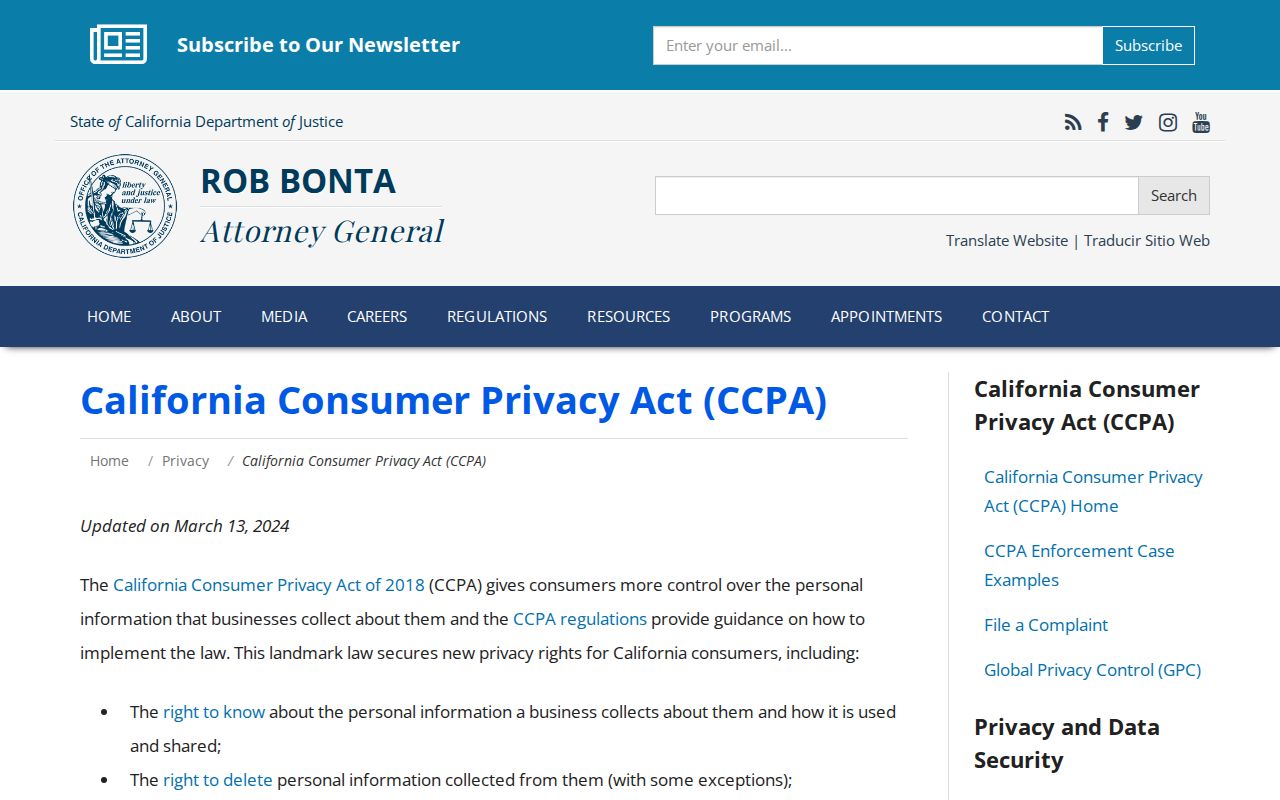
Privacy guidance is part of responsible directory research because a protected address may be absent by design.